
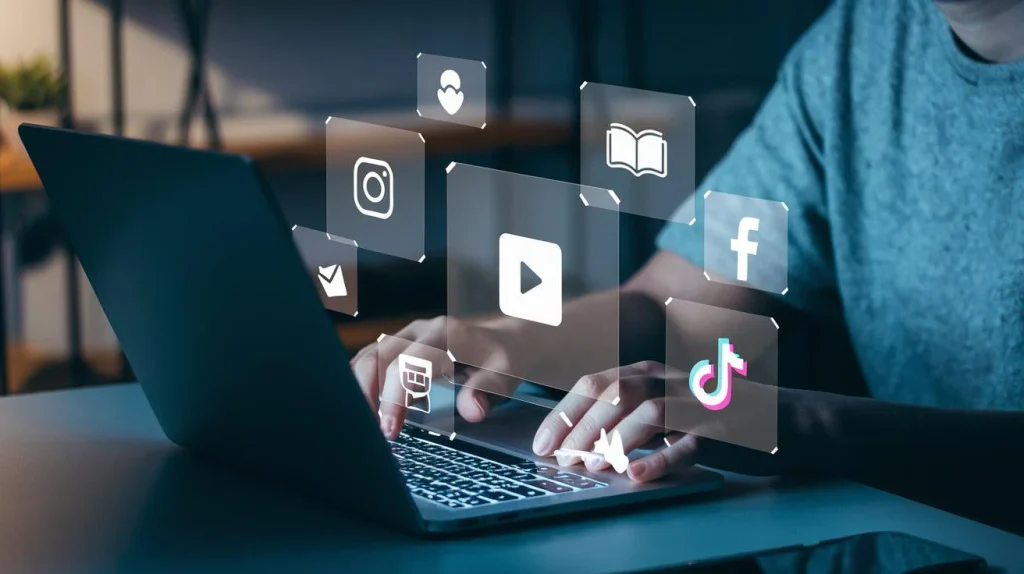
The world of business has changed dramatically over the last decade. Customers no longer rely only on TV, newspapers, or word-of-mouth to discover products and services. Instead, they turn to Google searches, social media platforms, YouTube videos, and online reviews. In this fast-paced environment, digital marketing has emerged as the true game-changer for modern businesses, helping them connect with customers in smarter, faster, and more measurable ways.
What is Digital Marketing?
Digital marketing is the use of online platforms and digital technologies to promote products, services, or brands. It includes strategies like search engine optimization (SEO), content marketing, social media marketing, email campaigns, and paid advertising.
Unlike traditional marketing, which often targets a broad audience without precision, digital marketing enables companies to:
- Reach the right people at the right time.
- Personalize experiences for different customer groups.
- Measure every action to improve performance.
In simple words, digital marketing puts businesses exactly where their customers are—online.
Why Digital Marketing is a Game-Changer
- Global Reach at Lower Cost
Traditional marketing (TV, print, billboards) can be expensive and limited by geography. Digital marketing allows even small businesses to reach a global audience at a fraction of the cost. - Precise Targeting
Platforms like Google Ads and Facebook Ads let businesses target specific age groups, locations, interests, and behaviors. This means less wasted effort and higher return on investment (ROI). - Measurable Results
Every click, impression, and sale can be tracked with tools like Google Analytics. Businesses can see what works and adjust strategies in real-time. - Two-Way Communication
Social media, live chats, and email campaigns allow brands to interact directly with customers, building trust and loyalty. - Scalability & Flexibility
Campaigns can start small and scale up based on performance. You can adjust budgets, pause underperforming ads, and test new approaches anytime.
Core Components of Digital Marketing
- Search Engine Optimization (SEO)
Improving website visibility on search engines like Google to attract organic (free) traffic. - Content Marketing
Creating valuable blogs, videos, eBooks, or infographics to educate and engage audiences. - Social Media Marketing (SMM)
Using platforms like Instagram, Facebook, LinkedIn, and TikTok to build communities and promote products. - Email Marketing
Sending personalized messages, promotions, or newsletters to nurture customer relationships. - Pay-Per-Click (PPC) Advertising
Paid ads that appear on search engines or social media, driving targeted traffic instantly. - Affiliate & Influencer Marketing
Collaborating with influencers or affiliates who promote products in exchange for commission or partnership deals.
The Future of Digital Marketing
Digital marketing is constantly evolving. Here are some trends shaping its future:
- Artificial Intelligence (AI): AI tools are improving ad targeting, customer support (chatbots), and personalization.
- Voice Search Optimization: With Alexa, Siri, and Google Assistant, businesses must adapt content for voice queries.
- Video Marketing: Short videos, reels, and live streams dominate user engagement.
- Personalization: Customers expect tailored ads, recommendations, and offers.
- Virtual & Augmented Reality (VR/AR): Creating immersive brand experiences for shopping, training, or learning.
Businesses that adopt these innovations early will stay ahead of competitors.
Case Example
Consider a small local bakery. With traditional marketing, they could only reach nearby customers through flyers or word-of-mouth. But with Instagram ads, Google My Business listings, and engaging content, they can now attract customers from across the city, build an online community, and even start selling through e-commerce platforms.
This is the power of digital marketing—it levels the playing field for businesses of all sizes.
Conclusion
Digital marketing is not just another business strategy—it’s the foundation of modern business growth. It allows brands to reach wider audiences, engage directly with customers, and compete in a global marketplace.
Whether you are a startup, a small business, or a multinational company, embracing digital marketing is no longer optional—it’s essential. The businesses that succeed in the future will be those that use digital tools wisely, stay customer-focused, and adapt to changing online trends.
The game has already changed—digital marketing is how you win it.